


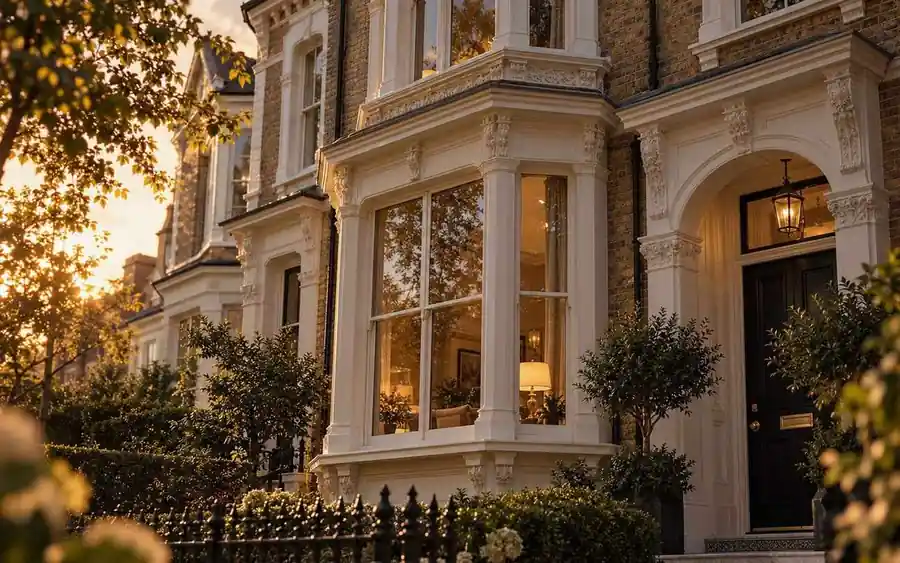
Retain more of the original
Keep more original timber. Make it work properly again.
Where the existing sash can be saved, restoration can improve operation, draught control, hardware and glazing while keeping more of the building's original fabric in place.
Designed around the property
Repair is a different brief from replacement.
The question is what can be retained, what needs repair and which modern interventions will genuinely improve the window. That makes restoration a forensic process rather than a cosmetic one.
Explore finishes & detailing →See it in context
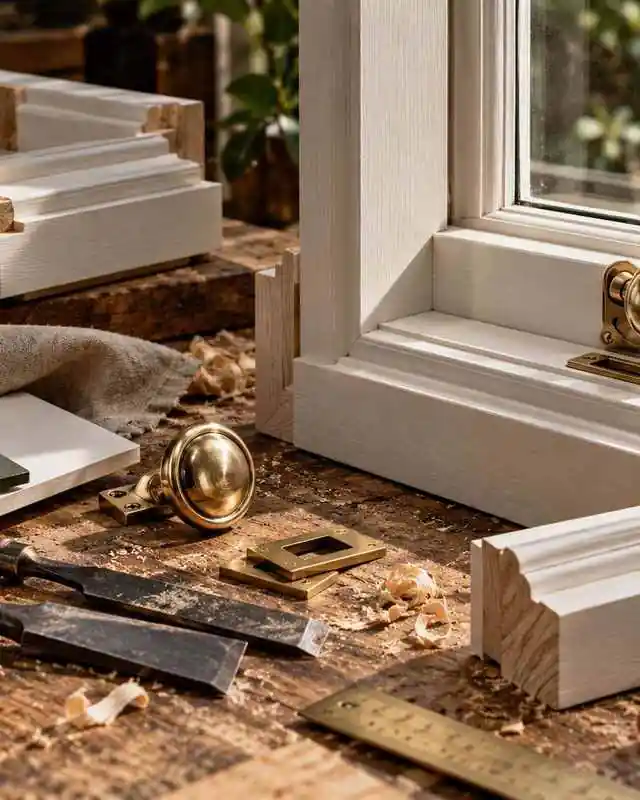
Window Restoration in rooms, façades and details.
We show each product in the room, on the façade and in the joinery detail so you can see how it works as part of the building.
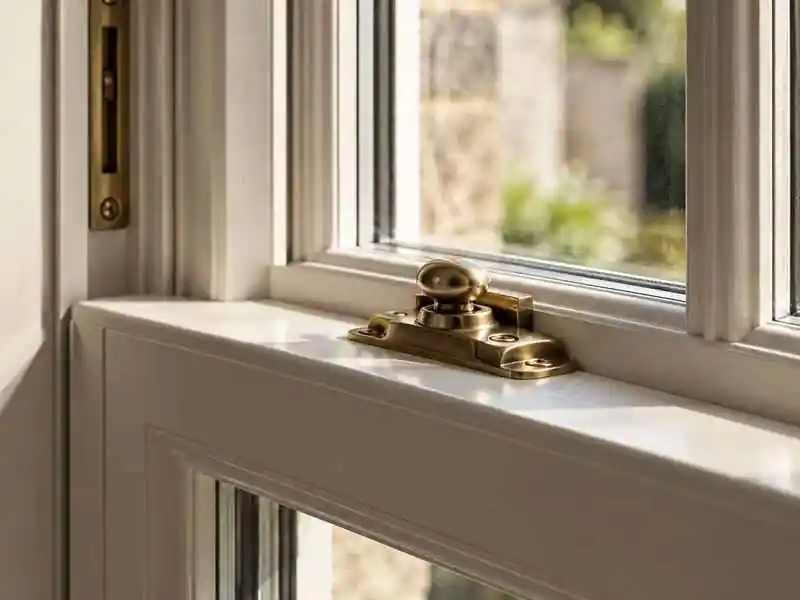
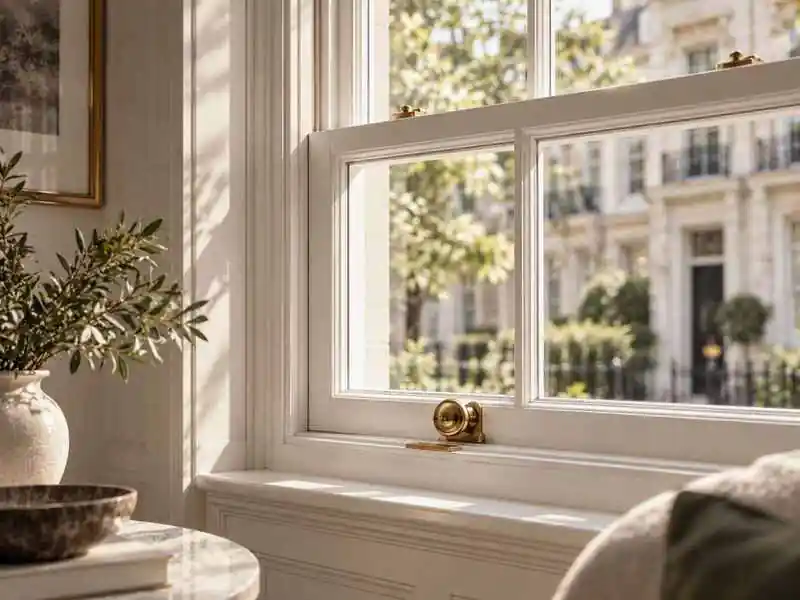
Specification priorities
What matters when this product is being designed.
Every opening is bespoke, but these are the recurring decisions that shape the finished result.
Condition-led repair
Existing sashes, frames, cords, weights and hardware are assessed before the intervention is defined.
Conservation aware
Restoration can respond to the constraints of listed and conservation properties.
Glazing options
Security, acoustic, restoration, obscured and decorative glazing can be considered where suitable.
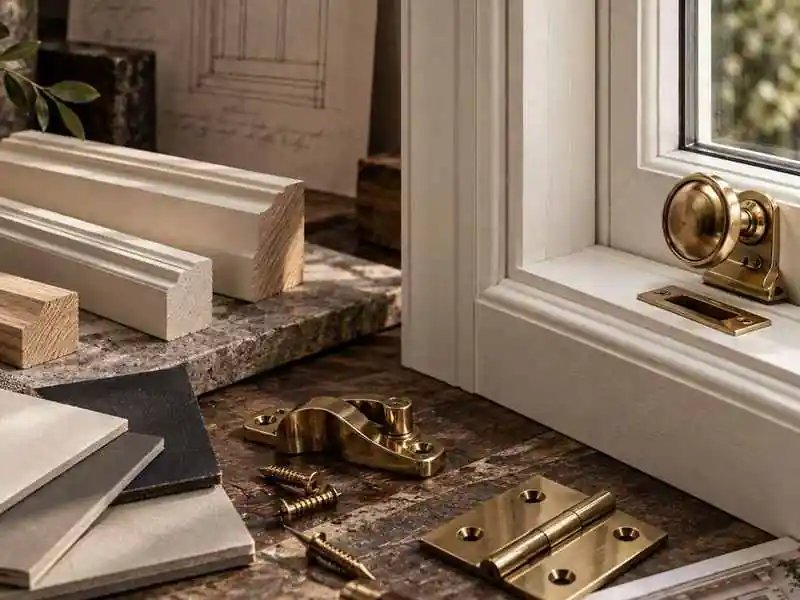
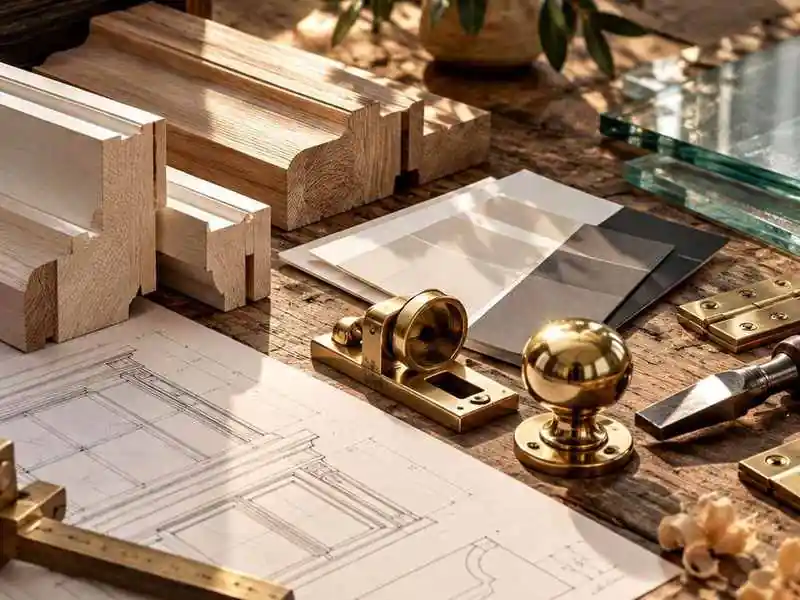
Matched detailing
Repairs and new components can be developed around the original mouldings and visual character.
Buying & specification guide
When sash window restoration is the better route
Useful questions to resolve before the final survey and manufacturing specification.
Restoration is appropriate when enough sound original joinery remains to justify retaining it. The survey should separate cosmetic wear from genuine timber failure and identify which parts of the sash, frame, cords, weights, hardware and glazing can stay.
The goal is not simply to make an old window look newly painted. A good restoration should improve operation and comfort while keeping as much authentic material and character as practical.
Assess the timber first
Localised decay can sometimes be repaired without replacing the entire window.
Keep useful original glass
Where appropriate, historic or restoration-style glass can preserve more visual character.
Upgrade selectively
Cords, pulleys, fasteners, seals and damaged sections can be addressed according to condition.
Questions before a survey
Window Restoration FAQs
Project-specific requirements vary, particularly on listed and conservation properties.
Can old sash windows be repaired instead of replaced?+
Often, yes. The right approach depends on the condition of the frame, sashes and components, so a survey is needed to decide what can be retained.
Can restoration improve draughts?+
Restoration can include improvements to seals, operation and fitting, although the result depends on the existing window and scope of work.
Can original details be matched during repair?+
Bespoke joinery allows replacement sections and mouldings to be developed around surviving original details.
Made to measure
Start with the architecture, then build the specification.
A survey is the quickest way to establish the proportions, performance requirements and finish that make sense for the property.